|
Every business needs to track its performance in order to know whether they are achieving any growth or not, as per their set goals. And in the case of your tour business, the same concept applies. By tracking key metrics, your tours or activities company can better understand how its actions affect business performance. If this sounds too complex, no worries, in this article we’ll guide you on the key metrics you need to measure as we elaborate on their importance to your business growth. But before we dive into that, let’s address why metrics are important. Why Are Metrics Important?By collecting and analyzing different data as a tour or activities provider, you’ll be able to gather various insights concerning your business. This is beneficial in several ways, including:
Or as the old saying goes:“What gets measured gets managed.” Tracking the important metrics in your business will motivate and push you towards improvement.
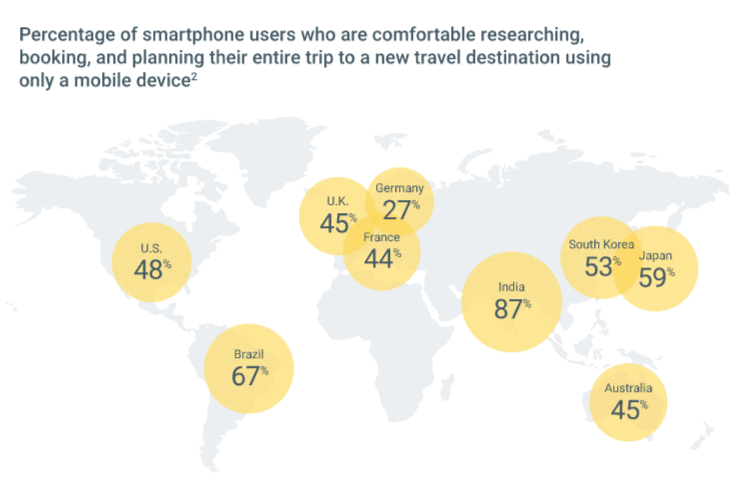
5 Key Metrics to Track for Tours and Activities1. Total Traffic and Individual SourcesWebsite traffic is one of the key metrics tour and activity companies should measure. This metric gives you insight into your company’s overall reach. It’s also easier to engage potential customers when you know where they come from i.e your traffic source. This allows you to tailor your website experience for them and focus your attention where it makes the most sense. Some traffic sources will inevitably work better for you than others. For example, by tracking how people enter your website, you can find out what devices they use. Research shows that about 50% of smartphone users in the US, UK, and France are comfortable booking tours from their smartphones.
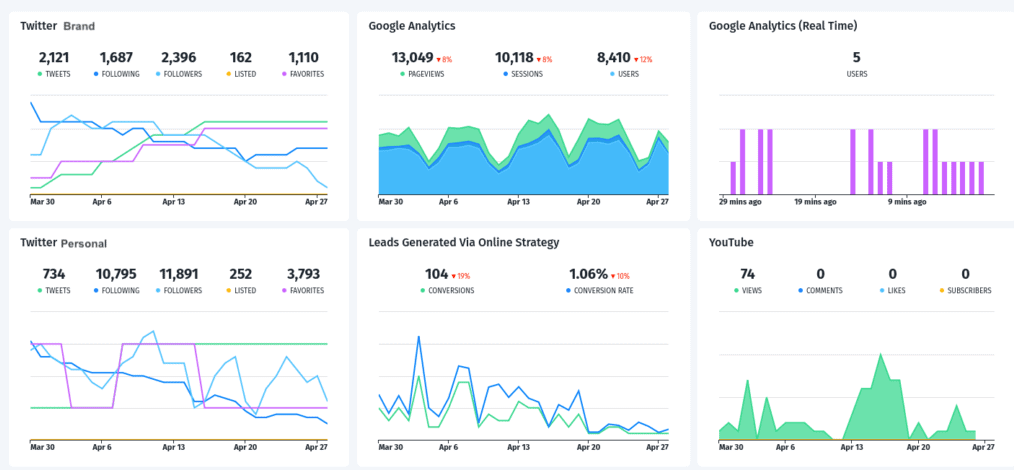
Source Therefore, if you find that a big number of your traffic comes from these users, then you can rightly optimize your site for mobile in order to improve conversion rates (more on this later). Or perhaps you can go a step further and provide a booking app featuring a loyalty points wallet, personalized video guides, and several secure payment processing options. In addition, tools like Google Analytics can help you figure out which channels bring the most traffic to your website. For example, Instagram and Facebook are especially effective for tourism marketing. It would, therefore, be prudent to allocate more resources toward Instagram-worthy videos and beautiful Facebook photos. By doing so, you can reduce your investment in less effective channels and direct it toward those that will yield the best ROI. 2. ConversionsConversions are the actions taken by users in response to a certain call-to-action you’ve placed in an ad, notification, social media post, offer, or your company’s web page. Some of the actions you can track to measure conversion include:
Again, an analytics tool such as Google Analytics can help you capture these details.
Source This insight can help you determine what to improve on in your ads, web pages, and social media posts in order to drive more conversions. For example, you can offer a reward for new signups if no one seems to be interested in your newsletter. 3. Conversion ratesAnother key metric to measure is the percentage of people who take the next desirable action i.e conversion rates. Imagine that 430 people visit your homepage, where you intend to collect their email addresses as a result of them signing up for your email newsletter. If 60 people sign up, your conversion rate is 60/430 = 14% This allows you to accurately track your performance over time, taking into account seasonal fluctuations and one-off traffic spikes. Other relevant actions you’ll want to monitor to measure conversion rate include:
Armed with this information, you can start brainstorming ways to boost your conversion rates. 4. Repeat purchases from the same customersTo begin with, receiving repeat or referral customers is an affirmation that you are doing things right. With the confidence that your strategy is working, you can invest more resources in it. Secondly, returning customers are superior to new customers for a variety of reasons:
|